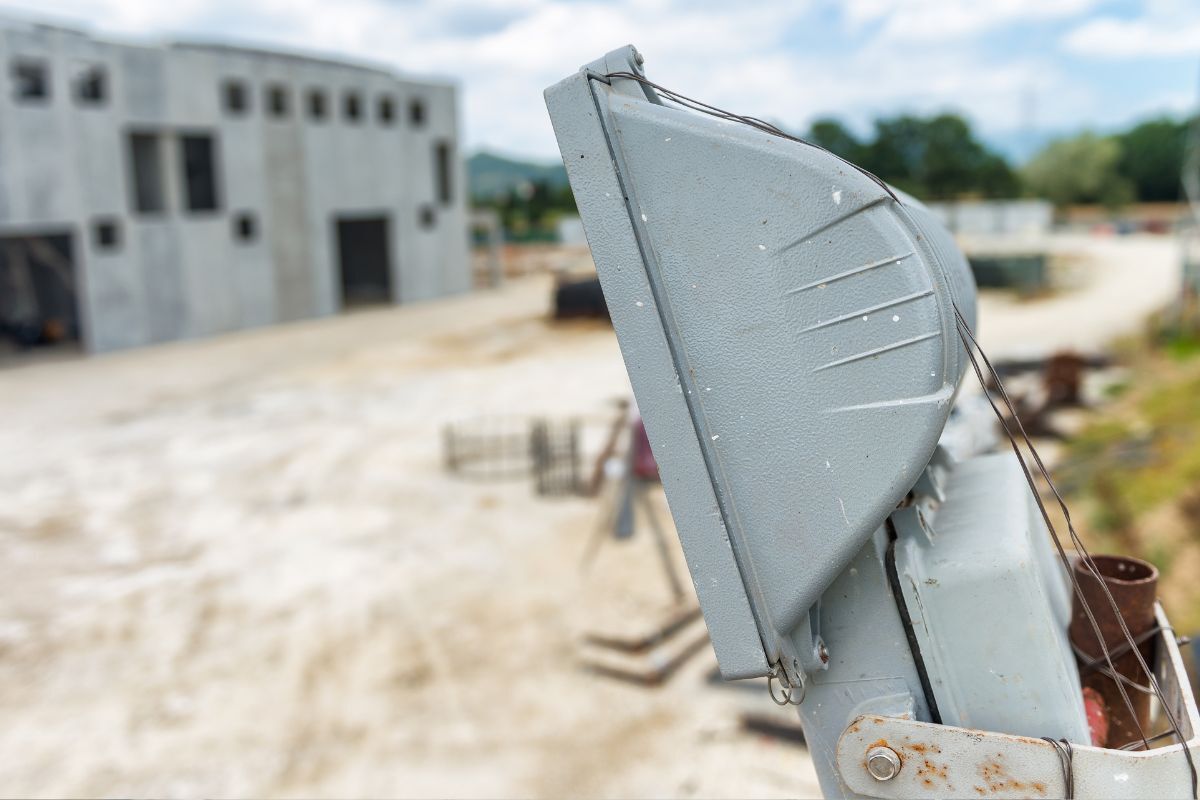
- Using hidden cameras to monitor equipment on construction sites can help reduce theft, improve security, and provide evidence in the event of incidents.
- WiFi hidden cameras allow remote monitoring through smartphones or computers, helping site managers keep track of valuable tools and machinery even when they are away.
- However, their use should follow local privacy laws, with proper authorization and clear security policies to protect workers’ rights while maintaining a safe and secure work environment.
Construction sites are often valuable targets for theft because they contain expensive equipment, tools, machinery, building materials, and fuel. From power tools and generators to copper wiring, heavy machinery parts, and stored materials, construction locations can hold thousands or even millions of dollars in assets. Unlike traditional commercial properties, construction sites are usually temporary, spread over large areas, and may not have permanent security infrastructure. This combination creates significant challenges for site managers who need to protect equipment while maintaining productivity.
One increasingly popular solution is the use of security cameras, including Wi-Fi hidden cameras, to monitor construction sites and help prevent theft. These compact surveillance devices can provide real-time monitoring, remote access, and evidence collection when suspicious activity occurs. When properly installed and used legally, hidden cameras can become an important part of a broader construction site security strategy.
The purpose of using hidden cameras is not only to catch criminals after a theft occurs but also to discourage unauthorized access, identify security weaknesses, and improve overall site management. Modern Wi-Fi cameras allow project managers, contractors, and security personnel to view activity from smartphones, tablets, or computers, even when they are away from the site.
The Growing Problem of Construction Site Theft
Construction theft is a major concern for contractors and builders worldwide. Construction sites often contain equipment that can be quickly removed and resold, making them attractive targets for thieves. Commonly stolen items include:
- Portable power tools
- Generators
- Compressors
- Welding equipment
- Fuel containers
- Copper cables and metal materials
- Machinery components
- Building supplies
The financial impact of theft goes beyond the replacement cost of stolen items. A missing tool or piece of equipment can delay work schedules, increase labor expenses, and affect project deadlines. Contractors may also face additional insurance costs and reduced productivity.
Many construction sites are vulnerable because they are active only during certain hours. After workers leave, large areas may remain unattended overnight or during weekends. Traditional security methods such as fences, warning signs, and locks can reduce risks, but determined criminals may still find ways to enter restricted areas.
This is where surveillance technology becomes valuable. A strategically placed Wi-Fi hidden camera can provide additional visibility in areas that are difficult to monitor using regular security methods.
Understanding Wi-Fi Hidden Cameras
A Wi-Fi hidden camera is a small surveillance device that connects to a wireless network and allows video transmission through the internet or a local network. Unlike large security cameras that are clearly visible, hidden cameras are designed to blend into their surroundings. They may be integrated into everyday-looking objects or installed discreetly in locations where they can monitor important areas without attracting attention.
Modern Wi-Fi hidden cameras commonly include features such as:
Remote Viewing
One of the biggest advantages of Wi-Fi cameras is remote access. Site managers can check live video feeds using a mobile application from almost anywhere. This is especially useful for construction companies managing multiple projects at different locations.
Motion Detection
Many hidden cameras include motion sensors that activate recording when movement is detected. This reduces unnecessary recordings and helps users focus on important events.
Night Vision
Construction sites are often targeted after dark. Cameras with infrared night vision can continue monitoring equipment storage areas, entrances, and restricted zones when lighting conditions are poor.
Video Recording and Storage
Depending on the model, Wi-Fi cameras may store footage on memory cards, network storage systems, or secure cloud platforms. Recorded footage can help identify suspects, investigate incidents, and provide evidence for authorities or insurance claims.
Smartphone Notifications
Some cameras can send alerts when unusual movement is detected. A project manager can receive a notification and quickly review the situation, rather than discovering theft days later.
How Hidden Cameras Help Prevent Equipment Theft
The main value of hidden cameras is their ability to improve awareness and response. A visible security camera can deter theft, but hidden cameras offer additional advantages, as unauthorized individuals may not realize they are being recorded.
Monitoring Equipment Storage Areas
Many construction sites store valuable tools and machinery in containers, temporary buildings, or designated storage areas. These locations should be among the highest priorities for surveillance.
A Wi-Fi hidden camera placed near equipment storage can help monitor:
- Who enters the storage area
- When equipment is moved
- Whether unauthorized individuals access restricted spaces
- Suspicious activity during non-working hours
By reviewing recorded footage, managers can determine whether equipment was moved by authorized workers or removed without permission.
Protecting High-Value Machinery
Large equipment such as excavators, loaders, cranes, and generators represents a significant investment. Thieves may target machinery parts, batteries, fuel systems, or accessories because these items can be valuable and easy to sell.
Hidden cameras positioned near machinery parking areas can provide continuous monitoring and help identify unusual activity.
Improving Accountability
Construction projects involve many workers, subcontractors, delivery personnel, and visitors. Keeping track of activity around valuable assets can improve accountability and reduce disputes.
Video monitoring can help answer important questions:
- Who accessed a specific area?
- When was equipment moved?
- Was a delivery received correctly?
- Did damage occur accidentally or intentionally?
This information can improve communication and reduce confusion between different teams working on the project.
Advantages of Wi-Fi Hidden Cameras Over Traditional Security Systems
Traditional security systems often require extensive wiring, professional installation, and dedicated monitoring equipment. While these systems remain useful for large permanent facilities, construction sites often require flexible solutions.
Wi-Fi hidden cameras provide several advantages:
Easy Installation
Because many construction sites are temporary, installing a complex wired security system may not always be practical. Wireless cameras can often be installed quickly and moved as the project changes.
Lower Infrastructure Requirements
Wi-Fi cameras generally require fewer cables and less physical infrastructure compared with traditional surveillance systems. This makes them suitable for locations where permanent installation is not possible.
Remote Management
Managers do not need to physically visit the site to check security footage. Remote access allows monitoring from offices, vehicles, or other job locations.
Scalable Security
Additional cameras can often be added as the construction site expands. For example, a project may begin with cameras monitoring entrances and later add cameras for material storage, equipment areas, and worker access points.
Strategic Placement of Cameras on Construction Sites
Effective camera placement is essential. A hidden camera is only useful if it captures important areas clearly. Construction managers should identify high-risk locations before installation.
Common monitoring points include:
- Equipment storage rooms
- Tool containers
- Material storage zones
- Site entrances and exits
- Parking areas
- Fuel storage locations
- Areas containing expensive machinery
- Temporary offices
Cameras should be positioned to provide clear views while avoiding unnecessary monitoring of private areas such as worker rest spaces or locations where privacy is expected.
Conclusion
Construction sites face ongoing security challenges because they contain valuable equipment, expensive materials, and tools that are often targets of theft. The temporary and open nature of many construction projects makes traditional security measures alone insufficient. By adding modern surveillance solutions such as Wi-Fi hidden cameras, contractors and site managers can improve visibility, protect valuable assets, and respond more effectively to suspicious activity.
Wi-Fi hidden cameras provide several practical benefits, including remote monitoring, motion detection, night vision, and recorded video evidence. These features allow construction companies to track equipment, monitor storage areas, and detect unauthorized access even when no workers are on-site. The ability to receive real-time alerts and view footage from a smartphone gives managers greater control over site security and reduces the risk of costly losses.
However, cameras should be considered one component of a comprehensive security strategy rather than the sole solution. Effective theft prevention also requires proper lighting, secure storage areas, access control, inventory management, employee awareness, and cooperation with security personnel when necessary. A well-planned combination of physical security and surveillance technology provides stronger protection than any single method alone.
When installing hidden cameras, construction companies must also consider privacy laws and ethical responsibilities. Cameras should be placed only in appropriate areas, workers should be informed about surveillance policies where required, and recorded footage should be stored securely. Responsible use ensures that security improvements do not create unnecessary privacy concerns.
As construction projects become more technology-driven, wireless surveillance systems will continue to play an important role in protecting equipment and improving site management. Wi-Fi hidden cameras offer a flexible and cost-effective way to monitor valuable resources, reduce the risk of theft, and create a safer working environment. By using these tools responsibly and combining them with other security practices, construction companies can minimize losses, maintain project schedules, and protect their investments.