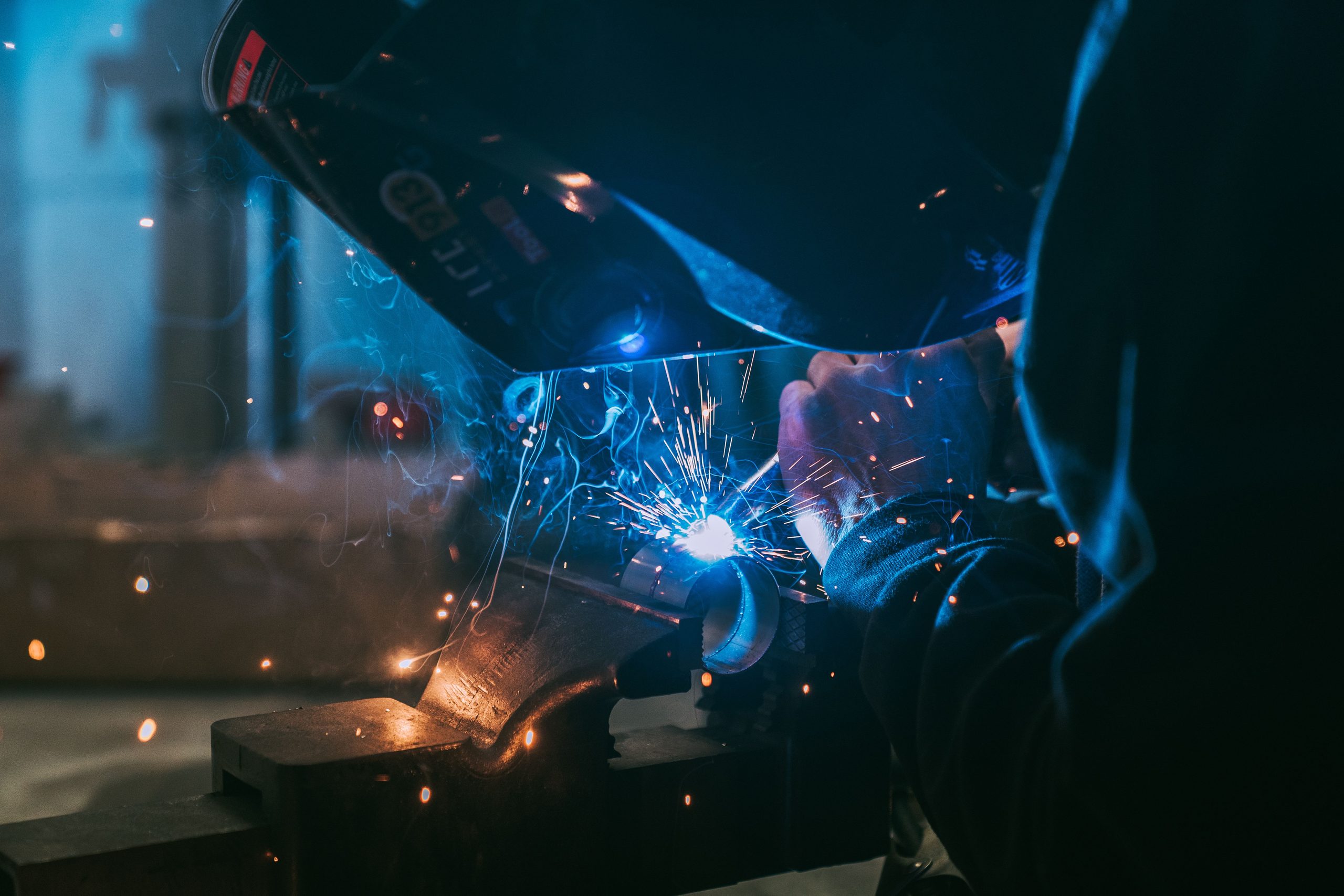
Home garage welders can extend the life of their welding equipment by keeping consumables fresh, inspecting cables, maintaining cooling systems, and protecting machines from dust and moisture. A welder is a substantial investment, especially when a garage workshop includes multiple machines, torches, and accessories. Yet equipment often wears out prematurely because small maintenance tasks get overlooked.
The good news? Protecting that investment doesn’t require expensive tools or complicated routines. It requires consistency.
The Essentials of Longer-Lasting Welding Equipment
Keeping a home welding shop in good condition comes down to five habits: replacing worn consumables, checking electrical connections, keeping equipment clean, preventing overheating, and recording maintenance.
These practices help maintain reliable performance while reducing avoidable repairs. The biggest advantage comes from finding problems early, when they’re easier to address.
The Small Oversights That Become Expensive Repairs
Most welding equipment doesn’t deteriorate overnight. Problems develop gradually, often while the machine still appears to work normally.
Consider these common mistakes:
- Stretching consumables too far: Worn contact tips, nozzles, and liners can cause inconsistent wire feeding, excessive spatter, and poor weld quality.
- Ignoring cables: Cracked insulation, loose connections, and damaged leads create electrical hazards and unreliable performance.
- Neglecting cooling: Blocked vents and accumulated dust restrict airflow, increasing the likelihood of overheating.
- Leaving machines exposed: Garage humidity, airborne dust, and temperature changes can encourage corrosion and contamination.
- Working without a schedule: When maintenance happens only after something breaks, preventable problems remain unnoticed.
None of these issues necessarily looks serious at first. Together, however, they can turn a dependable workshop into a frustrating collection of unreliable tools.
Give Consumables Attention Before They Cause Trouble
Consumables are designed to wear out. Trying to squeeze additional life from a damaged contact tip or badly clogged nozzle can create more problems than the replacement part is worth.
For MIG welding equipment, regularly examine contact tips, nozzles, diffusers, and wire liners. Remove spatter where appropriate and replace components showing excessive wear.
TIG welders should inspect tungsten electrodes, collets, and ceramic cups. Stick welders should check electrode holders for damaged insulation and poor gripping surfaces.
Keeping a modest supply of compatible replacement parts makes timely maintenance easier.
Your Garage’s Electrical System Matters, Too
The welding machine isn’t the only part of the workshop worth protecting. Household wiring, receptacles, and breaker panels support the power demands of garage equipment, and electrical components can develop faults over time. Repeated breaker trips, unusually warm outlets, or intermittent power deserve attention from a qualified electrician rather than another attempt to finish the project. For homeowners considering protection against certain unexpected repair expenses, home warranty coverage for electrical systems from American Home Shield may offer additional peace of mind. Eligible electrical repairs are subject to the plan’s terms, fees, and exclusions, so homeowners should confirm whether their particular garage setup qualifies.
A Maintenance Rhythm That Actually Works
A simple schedule makes preventive care manageable without taking valuable time away from welding.
| When | Maintenance task | Why it matters |
| Before each session | Inspect cables, plugs, clamps, and consumables | Identifies visible damage before operation |
| After welding | Clear accessible debris and store accessories properly | Limits buildup and accidental damage |
| Monthly | Examine connections, ventilation openings, and gas hoses | Helps identify developing problems |
| Every 3–6 months | Perform manufacturer-recommended cleaning and servicing | Supports cooling and consistent operation |
| Annually | Review maintenance records and equipment condition | Helps plan replacements and repairs |
These intervals are general starting points. Your machine’s manual should determine the actual maintenance requirements, especially in dusty garages or during frequent use.
The Five-Minute Workshop Shutdown Checklist
A few deliberate actions after each welding session can prevent considerable wear.
- Switch off the welder and disconnect power when appropriate.
- Allow the machine to cool according to its operating instructions.
- Inspect the torch, cables, and work clamp for visible damage.
- Remove accessible spatter and debris using appropriate tools.
- Coil cables loosely without sharp bends.
- Shut off shielding gas and secure cylinders properly.
- Store accessories in a clean, dry location.
- Note anything requiring repair before the next session.
Never operate welding equipment with exposed conductors or damaged insulation. Internal electrical repairs and servicing beyond the owner’s instructions should be left to qualified personnel.
Protecting Equipment Between Projects
A garage isn’t always a gentle storage environment. Grinding dust, damp concrete, condensation, and airborne debris can affect equipment even when nobody is welding.
Keep machines off damp floors, provide adequate ventilation, and use protective covers when equipment is completely shut down and cool. Never cover operating ventilation openings.
Cooling also matters during welding. Respect the machine’s rated duty cycle, which specifies how long it can operate at a particular output before requiring cooling time.
For water-cooled equipment, inspect coolant levels, hoses, and circulation according to manufacturer instructions. Don’t wait for a cooling failure to investigate an unfamiliar warning light.
A Useful Reference for Your Workshop
For additional guidance, Miller Electric publishes welder maintenance checklists covering daily, monthly, and periodic equipment care.
The resource provides practical reminders about cable handling, consumable replacement, cleaning, and storage. It’s especially useful when building a maintenance routine around several pieces of equipment.
Common Questions About Welding Equipment Maintenance
How often should a home welder be cleaned?
Check accessible surfaces and ventilation regularly. More thorough cleaning should follow the manufacturer’s schedule and may need to happen more frequently in dusty environments.
Can damaged welding cables be repaired?
Damaged cables should be removed from service. Replace cables with exposed conductors or damaged insulation rather than relying on improvised repairs.
Are maintenance records worthwhile for occasional welders?
Yes. A simple notebook documenting inspections, replaced components, and recurring problems helps prevent forgotten maintenance and supports better purchasing decisions.
A Shop Worth Keeping
A reliable home welding workshop is built through years of thoughtful care, not simply expensive purchases. Treat maintenance as part of the craft, and your investment has a better chance of serving you for years.
Image via Pexels