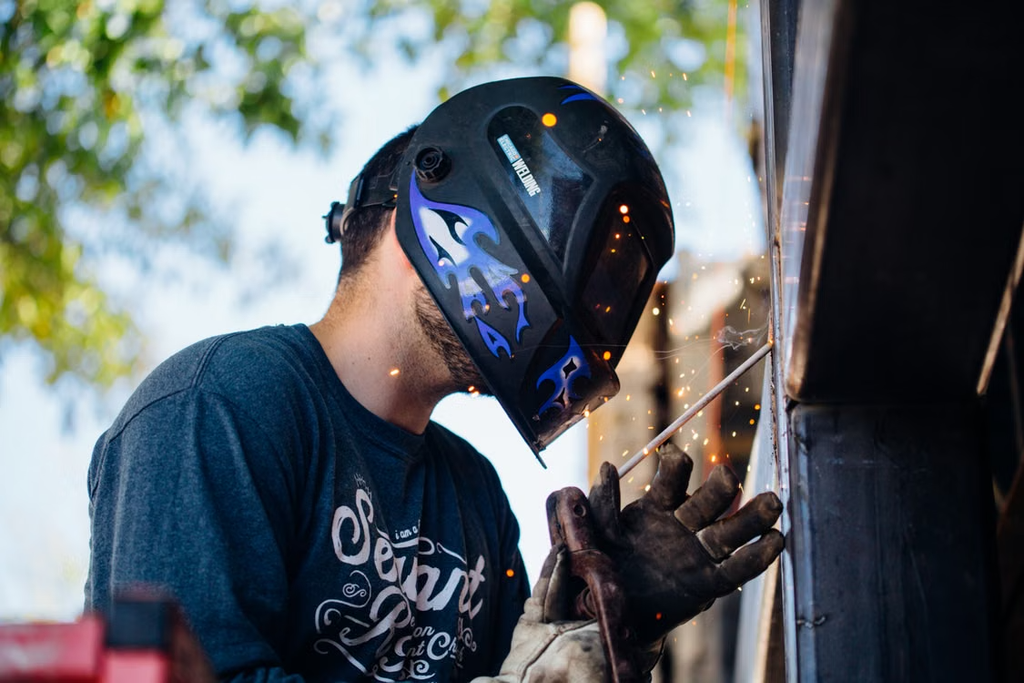
Photo from Pexels
For skilled welders ready to test entrepreneurship opportunities and for tradespeople planning their first small business launch, local welding businesses can be a straightforward way to turn solid work into steady income. The tension is real: a startup welding venture can feel easy in the shop but confusing on the business side, where one missed requirement or unclear plan can stall momentum fast. There’s also the worry of getting the first jobs without overpromising or underpricing, even when the welding business potential is obvious. With a clear sequence and the right mindset, that leap can feel controlled and professional.
Set Up Your Welding Business From Paperwork to First Jobs
This is the part that turns “I can weld” into “I can get paid reliably.” Follow this sequence to handle the legal basics, buy the right gear, protect yourself with insurance, and run simple marketing that lands your first local jobs.
- Step 1: Register your business and open a separate bank account
Start with a simple structure you can explain to customers and suppliers, then register the name and entity type your state or county requires. Once you have your registration details, open a business checking account and use it for every job so your income and expenses do not get tangled with personal spending. - Step 2: Confirm permits, licensing, and safety requirements
Call your city or county office and ask what permits apply to mobile welding, a home-based shop, signage, and waste disposal. Getting clarity now prevents the classic mistake of buying equipment first and learning later that you cannot legally operate where you planned. - Step 3: Choose equipment that matches your first 3 services
Pick three “bread and butter” jobs you can deliver confidently, then buy only the tools needed to do those jobs well and safely. Keep purchases practical, because the welding equipment market is big and growing, which means there is always another upgrade you could buy but do not need on day one. - Step 4: Line up insurance before you take payment
Ask an insurance agent for quotes that fit how you work, such as general liability for property damage and injuries, plus commercial auto if you drive to job sites. This step protects your savings, makes you look professional to contractors, and can keep a small mistake from becoming a business-ending bill. - Step 5: Launch simple marketing and book your first jobs
Create a one-page online profile with clear services, a service area, and photos of clean welds, then share it with past coworkers, local contractors, and suppliers who already trust your work. Offer a straightforward estimate process, and keep your first pricing simple so you can deliver on time and build referrals.
Build Money Skills That Keep Jobs Profitable
Once you’ve got the basics in place to land work, the next make-or-break piece is knowing what each job really costs you, and what it needs to earn. A solid grasp of money management can keep a new welding business from growing busy but penniless. Earning an accounting degree can give you a stronger foundation in budgeting, taxes, cash flow, and the other financial responsibilities that show up fast when you’re running local jobs and trying to reinvest in your business. Instead of guessing at numbers, you’re building skills that support smarter decisions as you price work, plan for tax time, and manage the timing of money coming in and going out.
And if you’re already juggling work, family, or both, an online degree can make it realistic to keep moving forward without putting life on hold. If you want a structured, flexible option to explore, you’ll find further reading here. With your money skills strengthening in the background, the next step is laying out a 30–60–90 day timeline so your launch stays focused and steady.
Plan, Build, Launch, Review: Your 30–60–90 Rhythm
You do not need a perfect plan, you need a repeatable one. This 30–60–90 day workflow keeps your launch moving in one direction: from clear offers and pricing, to booked work, to a routine that supports steady cash flow. It also gives you simple checkpoints so you can adjust before small issues become expensive surprises.
| Stage | Action | Goal |
| Clarify scope | Define services, service area, hours, and who you serve | A launch brief you can follow consistently |
| Build the basics | Set pricing rules, simple job checklist, and intake script | Fewer mistakes and faster quoting |
| Set the pipeline | List outreach targets, send bids, and track follow-ups | Predictable leads, not random calls |
| Get operationally ready | Confirm equipment, supplies, transport, and safety routine | You can deliver on day one |
| Launch and tune | Do jobs, collect feedback, update pricing and processes weekly | Better margins and smoother jobs over time |
Treat each stage like a handoff: clarity makes setup easier, setup makes outreach believable, and outreach makes your first jobs less stressful. Keep notes as you go so your “next job” version is always simpler than your “first job” version.
Welding Business Launch Questions, Answered
Q: What permits or rules usually apply to a small welding business?
A: Most areas require a basic business license, tax registration, and safety compliance for your shop or mobile setup. If you weld on job sites, some clients will also expect proof of training and a written safety plan. Call your city or county business office and ask for a “contractor start-up checklist” to avoid surprises.
Q: How important are welding certifications if I already have experience?
A: Certifications are not always legally required, but they often unlock higher-paying commercial work and reduce client hesitation. If you want a simple starting point, pick one process you sell most and certify for that first. The goal is credibility you can show in a bid packet.
Q: What insurance do I need before my first paid job?
A: At minimum, price general liability insurance and consider tools and equipment coverage. If you hire help, you may need workers’ comp, even for part-time labor. Ask your agent about “mobile welding” specifically so you are covered off-site.
Q: Can I get funding without a long business track record?
A: Yes, but lenders want clarity more than hype. A small loan or line of credit is easier when you bring a one-page plan, early quotes, and a realistic gear list. Knowing the market helps too, since the median annual wage can support solid demand signals.
Q: Why does my pricing feel hard to lock down at the start?
A: Because you are estimating time, materials, travel, and risk, not just laying a bead. Start with a minimum service call rate, then add clear add-ons for thickness, grinding, and rush timing. Track every job so your next quote gets calmer and more accurate.
Turn Your Welding Skills Into Steady Local Paying Work
Starting a local welding business can feel like a tug-of-war between wanting independence and worrying about permits, insurance, and where the first jobs will come from. The way through is the approach we’ve talked about all along: a growth mindset for entrepreneurs paired with simple, repeatable systems, small business success tips that keep decisions clear and momentum steady. Follow that path and entrepreneur motivation turns into actionable startup advice in motion, real quotes, and growing confidence in business ownership. Start small, stay consistent, and let good work earn your next job.