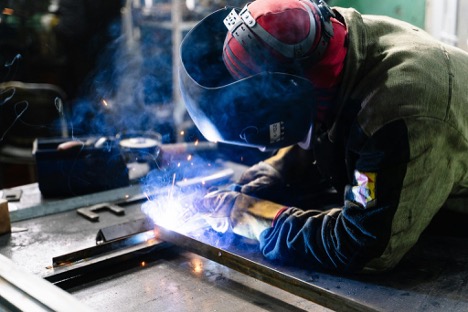
Every welding business—whether fabricating pipelines, repairing heavy equipment, or running custom metalwork—faces its fair share of challenges. Economic downturns, supply shortages, or labor gaps can quickly test even the toughest shop owners. The good news? Tough times don’t last forever—but smart welders do. Below is a practical, reality-tested roadmap to help welding businesses adapt, stay productive, and even grow when the market gets tough.
Quick Summary
- Cash flow control beats wishful thinking; track everything.
- Customer relationships are more durable than contracts—nurture them.
- Diversify your welds (industries, materials, clients) to reduce exposure.
- Lean into education to sharpen your business acumen and leadership edge.
Safety and quality are still your brand; never compromise them for speed.
Recognize the Problem Early — and Measure What Matters
When business slows, visibility often fades before impact does. Welding shop owners should monitor three key indicators:
Key Metric | Why It Matters | Early Warning Sign |
Cash Flow per Project | Reveals actual profitability to facilitate better pricing | Declining margins even on repeat jobs |
Consumables Cost Ratio | Tracks supply chain inflation | Increasing cost per weld bead |
Repeat Customer Rate | Shows brand loyalty | Drop-off in repeat orders or bid invites |
By watching these figures weekly, you gain time to adjust pricing, renegotiate contracts, or reduce waste before stress compounds.
Diversify Your Work — and Your Thinking
Problem: Many welders rely on one or two large clients, often in construction or energy. When those sectors contract, everything stops.
Solution: Seek lateral markets that still demand metalwork—agriculture equipment, local manufacturing repairs, or custom fabrication for hobbyists and makers.
Result: More revenue streams and resilience.
Customer Diversification Audit
- List your top three client types
- Identify one new sector needing similar weld processes
- Contact at least three local businesses in that niche
- Offer prototype or sample work at cost to open the door
A diversified workload steadies income and reveals opportunities you might never see when your helmet is down.
Invest in Skill and Strategy, Not Just Steel
In challenging seasons, it’s tempting to double down on production—but strategic education can deliver higher returns. Earning a business-related degree is a good option to consider for owners who want to strengthen financial, management, and leadership abilities. Such programs help you develop a deeper understanding of operations, strategy, and self-assessment—skills directly applicable to running a welding business. Online programs, in particular, allow you to continue working full-time while studying, creating a realistic path to professional growth without leaving the job site.
Sharpen the Edges of Efficiency
Think of your shop as a welding joint—every process should fuse perfectly to the next. Efficiency gains can be achieved without major investments.
- Standardize consumables: Stick with one or two wire and gas combinations for common jobs.
- Label and track scrap: Identify which projects produce excess waste.
- Batch small jobs: Combine short welds or similar material thicknesses to reduce setup time.
- Document proven weld settings: Keep a quick-reference binder (digital or physical) for repeat materials.
Small process improvements create ripple effects in labor hours saved, safety improved, and throughput increased.
Manage Stress and Morale — Your Crew Feels It Too
Hard times often hurt morale more than margins. Your welders may start worrying about layoffs or hours being cut. To keep the team aligned:
- Hold short, honest weekly meetings.
- Celebrate every job completed profitably.
- Ask for input on efficiency—welders often see waste managers can’t.
- Cross-train across machines and techniques to build flexibility.
Remember, your crew’s confidence is as vital as your TIG welder’s amperage—steady, reliable, and capable under pressure.
Keep Customers Close, Even If Work Slows
A loyal client base is your oxygen supply. Even if projects dry up, don’t disappear. Send quick updates, share maintenance reminders, or check on past installations. Maintaining communication when money isn’t flowing demonstrates reliability (something competitors might forget in panic). Also, use this downtime to document case studies or photos of completed welds; these assets strengthen your bid packages when demand rebounds.
Resource Highlight — ToolTalk Manufacturing Forum
Want real-world advice from others in your trade? Check out Practical Machinist, one of the largest online communities for machinists and fabricators. Members frequently discuss welding setup optimization, pricing strategies, and sourcing challenges. Networking here can uncover new techniques and even business partnerships.
Common Questions from Welding Business Owners
Q1: How can I negotiate better terms with suppliers?
Request volume-based discounts, consider group purchasing with nearby shops, and ask for payment flexibility. Long-term relationships often grant more room to negotiate.
Q2: Is it worth offering mobile welding services during slow times?
Yes, if you can manage travel costs. Mobile welding often attracts emergency repair work—high-margin jobs that can fill schedule gaps.
Q3: What’s the best marketing move when budgets are tight?
Local visibility wins. Update your Google Business Profile, post short process videos on Facebook or LinkedIn, and ask repeat clients for testimonials. Word-of-mouth remains the strongest welder’s torch.
Strength Forged in Adversity
The welding trade has always been about resilience—joining broken parts, reinforcing weak points, and building something that lasts. The same applies to running your business. By watching your metrics, diversifying wisely, and investing in skill and structure, you not only survive the storm—you emerge with a stronger shop, a smarter strategy, and a tighter crew.