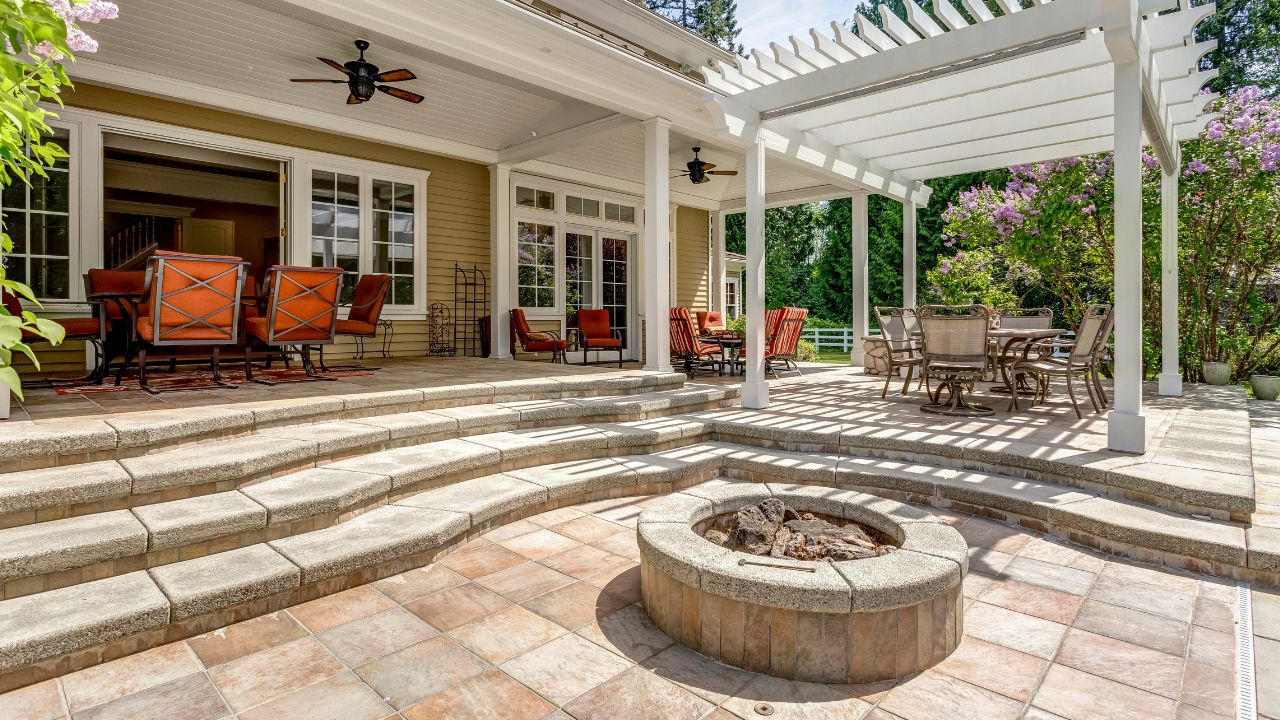
30 seconds summary
- Welded metal and mosaic tile make a striking combination in outdoor patio design because they blend strength with artistic detail.
- Welded metal adds structure through pergolas, benches, screens, planters, and fire features, while mosaic tile brings color, texture, and personality to tables, walls, seating, and water features.
- Together, they create patios that feel custom, stylish, and durable. When balanced well, these materials can suit modern, rustic, Mediterranean, or eclectic spaces, turning an ordinary patio into a functional outdoor retreat with lasting visual appeal.
Introduction
Outdoor patios have evolved far beyond their original role as simple paved areas with a table and a few chairs. Today, they are treated as true extensions of the home: places to entertain, relax, dine, and express personal style. As homeowners and designers look for more distinctive ways to shape these spaces, two materials continue to stand out for their beauty and versatility: welded metal and mosaic tile. At first glance, they may seem like an unusual pairing. Welded metal suggests strength, structure, and industrial elegance, while mosaic tile brings color, texture, artistry, and pattern. Yet together, they create outdoor environments that feel both grounded and imaginative.
The appeal of this combination lies in contrast. Metal offers crisp lines, durability, and architectural presence. Mosaic tile softens that firmness with detail, movement, and decorative richness. One can frame the other. One can highlight the other. Used thoughtfully, they can transform a standard patio into a space with character and depth. Whether the design leans modern, rustic, Mediterranean, bohemian, or eclectic, welded metal and mosaic tile can be adapted to match the mood.
Designing with these materials is not only about appearance. It is also about function. A patio must withstand sun, rain, foot traffic, and seasonal changes. Welded metal can provide strong structures for seating, pergolas, screens, planters, and fire features. Mosaic tile can add durable surfaces, eye-catching focal points, and weather-friendly finishes when chosen for exterior use. The result is a patio that is not only stylish but also built to last.
Why Welded Metal Works So Well Outdoors
Welded metal is an especially compelling choice for patio design because it combines durability with design flexibility. It can be shaped into clean geometric forms, intricate decorative panels, minimalist furniture frames, or sculptural architectural details. Steel, aluminum, and wrought iron are among the most common metals used in outdoor settings, and each one offers a different visual effect. Powder-coated finishes can introduce bold colors or classic matte black, while naturally weathering metals can create a more organic, earthy appearance over time.
One of the strongest advantages of welded metal is that it brings structure to outdoor spaces. In a patio design, structure matters just as much as decoration. A patio can feel undefined if it lacks visual anchors. Welded metal helps establish those anchors through railings, privacy dividers, built-in furniture, pergola frames, or custom borders around planters and pathways. Even a relatively simple metal element can make the entire patio feel more polished and intentional.
Metal also suits many design styles. In contemporary patios, welded metal can create sleek outlines and a refined industrial edge. In farmhouse or rustic settings, darker metal with a hand-forged look can add authenticity and warmth. In tropical or eclectic spaces, metal frameworks can support climbing plants or colorful tile surfaces. Because of this adaptability, welded metal often acts as the backbone of a patio design.
The Artistic Value of Mosaic Tile
Where welded metal delivers strength and shape, mosaic tile introduces artistry. Mosaic tile has long been admired for its ability to turn ordinary surfaces into works of design. Small pieces of glass, ceramic, porcelain, or stone can be arranged into patterns that range from subtle and elegant to bright and expressive. In an outdoor patio, mosaic tile can be used to introduce visual rhythm, define zones, and provide moments of surprise.
One of the greatest strengths of mosaic tile is its detail. Large-format materials create a broad visual statement, but mosaics draw the eye in closer. They encourage people to notice texture, color shifts, and handcrafted patterning. This can make a patio feel more layered and inviting. For example, a seating wall faced in mosaic tile instantly becomes more than just a functional boundary. It becomes a decorative feature that enriches the whole atmosphere.
Mosaic tile is also valuable because it can echo the colors of the surrounding environment. Blues and greens can reflect the sky, garden, or pool. Terracotta tones can connect the patio to natural stone, brick, or warm-toned landscaping. Neutral mosaics can add texture without overwhelming the space. When paired with the right metal finish, mosaic tile can either create bold contrast or seamless harmony. This makes it an excellent design partner for welded metal elements.
Using Metal Frames to Highlight Mosaic Surfaces
One of the most effective ways to combine these two materials is by using welded metal as a framing device for mosaic tile. This approach works especially well because it lets each material play to its strengths. The metal provides order, support, and definition, while the tile becomes the expressive centerpiece.
A custom patio table is a great example. A welded metal base can support a mosaic tile top that features anything from simple repeating patterns to intricate Mediterranean-inspired designs. The metal frame protects the tile edges while giving the piece a finished appearance. The same concept can be extended to side tables, bar counters, console surfaces, and outdoor kitchen prep stations.
Metal frames can also be used around tiled wall panels, decorative inserts, and built-in bench backs. A patio privacy screen, for instance, might include welded metal sections surrounding inset mosaic compositions. This creates a gallery-like effect in the open air. The sharp edges of the metal frame make the tile art feel deliberate and elevated rather than random. In large patios, repeating this detail in several locations can create a cohesive visual theme.
Statement Seating and Built-In Benches
Outdoor seating is one of the best places to explore creative design. Built-in benches are common in patios, but they do not have to look plain. A welded metal bench structure can form the base or backrest, while mosaic tile can be used to clad the seat walls, risers, or surrounding platform edges. This mix feels custom and substantial.
For a more artistic look, the back of a bench can feature welded metal scrollwork, cutout patterns, or strong linear bars, paired with mosaic-tiled sides or bases. The contrast gives the bench both visual lightness and decorative richness. Cushions can soften the seating area further, but even without them, the structure itself becomes part of the patio’s personality.
Another creative approach is to design curved seating walls where mosaic tile follows the contour of the bench while metal handrails or armrest details add shape and support. Curves combined with small-format tile create a flowing, organic quality that contrasts beautifully with the precision of welded metal. These benches work particularly well around fire pits, garden edges, or central gathering spaces.
Pergolas, Screens, and Vertical Features
Patio design often focuses on floors and furniture, but vertical elements are just as important. Welded metal is ideal for pergolas, trellises, and privacy screens because it offers structural reliability without excessive bulk. When mosaic tile is brought into these vertical applications, the result can be especially striking.
A pergola with welded metal posts and beams can be enhanced with mosaic tile-wrapped column bases. This subtle touch adds color and craftsmanship without distracting from the open, airy structure above. In the same way, a privacy screen made from welded metal panels can include tiled lower sections or decorative mosaic medallions placed within the framework.
Garden walls near the patio also offer room for experimentation. A welded metal wall trellis mounted over a mosaic-tiled backdrop creates depth and shadow. As light changes through the day, the metal casts patterns across the tile surface, making the patio feel dynamic and alive. Climbing plants can be introduced as a third design layer, softening the composition and connecting it to the surrounding landscape.
Fire Features With Texture and Contrast
Few patio elements attract attention like a fire feature. Fire pits, outdoor fireplaces, and fire tables naturally become gathering points, so they are excellent opportunities for strong material combinations. Welded metal can be used for the fire pit ring, spark guard, support frame, or decorative surround. Mosaic tile can then be applied to the base, outer walls, hearth, or nearby seating ledge.
This is where contrast becomes especially powerful. The raw strength of metal relates naturally to fire, while mosaic tile adds color and refinement to the setting. A square fire table with a dark welded metal frame and a richly patterned tile exterior can feel both modern and handcrafted. A built-in fireplace with metal detailing around the opening and mosaic tile climbing the chimney face can become the defining feature of the entire patio.
Color choices matter here. Warm-toned mosaic tiles in amber, copper, rust, or deep blue can look especially beautiful when illuminated by firelight. The reflective qualities of certain tiles can catch the glow and make evening gatherings feel even more atmospheric. Combined with sturdy metal elements, the fire feature becomes more than a utility. It becomes a sculptural centerpiece.
Planters, Borders, and Garden Integration
Patios feel more complete when they connect naturally to the garden. Welded metal and mosaic tile can help create that connection through planters, edging, and transitional features. Large custom planters made from welded metal can bring an industrial or contemporary touch, especially when softened with cascading greenery or flowering plants. Adding mosaic tile accents to the planter base, rim, or surrounding pedestal introduces color and texture.
Raised planting beds around the patio can also be edged with welded metal borders and tiled faces. This is particularly effective in gardens with defined geometry, where straight lines and intentional layering help organize the space. Mosaic tile can be used sparingly as a decorative strip or extensively as a full surface treatment, depending on the desired effect.
Pathways leading to or from the patio are another opportunity. Metal edging can keep lines crisp, while tile inserts or mosaic medallions can mark transitions between zones. Even the inclusion of outdoor tiles in selected walkway sections can tie the entire landscape together, especially when their tones are repeated in nearby mosaic features and metal finishes.
Conclusion
Welded metal and mosaic tile offer a rich and unexpected design partnership for outdoor patios. Together, they combine strength and artistry, structure and detail, durability and expression. Whether used in seating, pergolas, screens, planters, fire features, water elements, or decorative surfaces, they can turn an outdoor area into a space that feels custom, memorable, and deeply inviting.
The true beauty of this pairing lies in its flexibility. It can support bold modern design, romantic handcrafted styles, colorful Mediterranean influences, or quiet contemporary elegance. By using welded metal to define space and mosaic tile to add personality, homeowners can create patios that do more than serve a practical purpose. They can create outdoor rooms that tell a story.